If you searched for the League Classic release date, the first useful distinction is between a date that appears in a search result and a date that Riot has actually published in a readable, attributable source. At the time of this review, this site can verify the existence of an official League Classic landing path and a separate official champions page, but it cannot archive a readable Riot-controlled release announcement that establishes one universal date or time.
That does not mean every third-party page is useless. A news report, community post, video, or countdown can reveal the question players are asking and can point editors toward a source to check. It remains discovery evidence, however. It cannot by itself establish region access, client behavior, a patch number, a queue opening time, or whether a date applies to every server.
This guide therefore gives a direct status answer first, then a practical verification path. It also keeps the current release question separate from the historical question of when League of Legends Season 3 happened. Those topics share vocabulary, but the evidence needed for each is different.
Quick answer: current release evidence
| Release date | Not confirmed here The checked official path did not expose a readable, attributable date that this site can publish as confirmed. |
|---|---|
| Launch time | Not confirmed here A time-zone table needs an official activation time and a named region or server. |
| Region and client access | Pending A release claim is incomplete until the official source explains who can enter and where. |
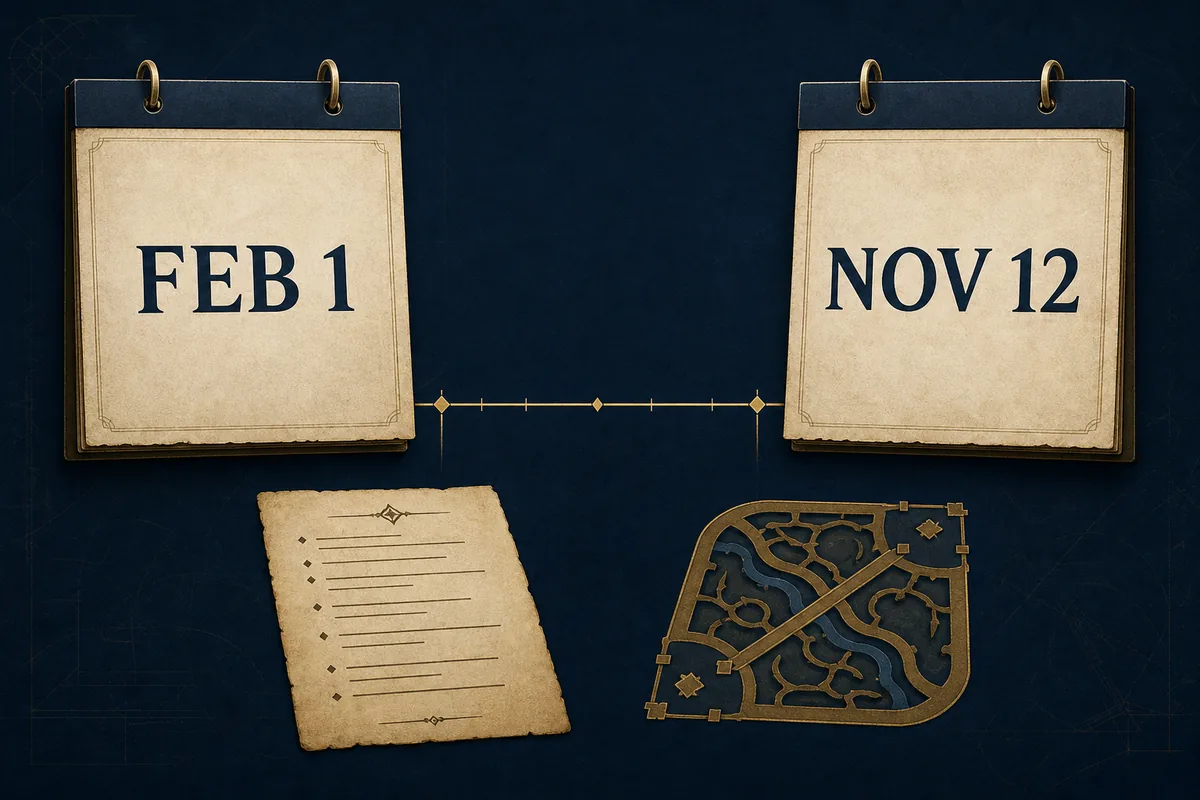
| Season 3 date | Separate history February 1 to November 12, 2013 is a historical Season 3 window, not a League Classic launch date. |
What release-date searches mix together
The same phrase can point to several page types. Classifying the claim before repeating it prevents a search snippet from becoming an unsupported game fact.
| Claim type | Useful signal | What it cannot prove |
|---|---|---|
| Official landing page | Shows that Riot has created an official destination or product surface. | It does not necessarily state a launch date, region list, or activation time. |
| Developer announcement | May explain the product boundary, launch plan, or future additions. | A broad plan is not the same as a server-by-server schedule. |
| Patch or client notice | Can tie a change to a version and an operational window. | A historical patch record cannot establish a current Classic release. |
| Search result, video, or community post | Shows current interest and useful leads for further checking. | It is not final proof of date, access, roster, map, queue, or economy. |
How to verify a League Classic release-date claim
Start with a Riot-controlled URL and record the exact page title, URL, review date, and visible wording. Do not rely on a snippet whose destination redirects, changes by region, or cannot be opened without an account. If the page only contains a generic landing shell, record that limitation rather than filling the gap with a competitor date.
Next, identify the milestone. A product announcement, a client patch, a regional activation, an open queue, and the first playable match are not interchangeable. A source should say which milestone its date or time describes. If the source uses a timezone, keep the original timezone beside any conversion and avoid implying that every server opens simultaneously.
Finally, compare the claim with the current status tracker and preserve the source boundary. Once an accessible official statement supplies a date, this page can be updated with the exact wording, regions, timezone, patch or client dependency, and review date. Until then, the honest answer is that the date remains unconfirmed here.
A five-step check before sharing a launch time
- 1. Name the milestoneWrite down whether the claim means announcement, patch deployment, server activation, queue opening, or first playable access.
- 2. Open the primary sourcePrefer a readable Riot Games, League of Legends, or Riot Support page over a repost, video title, or search snippet.
- 3. Record the scopeCapture the region, server, client version, timezone, and any staged-access wording.
- 4. Separate fact from inferenceDo not convert a patch date into a release time or a historical Season 3 date into a current product date.
- 5. Publish the review dateA current-status answer needs a visible check date so readers know when the evidence was last evaluated.
League Classic date vs Season 3 date
The historical Season 3 date guide on this site answers a calendar question about the old League of Legends season. It identifies the formal historical window as February 1 through November 12, 2013, while also explaining preseason, the World Championship, patch boundaries, and time-zone wording. None of those markers is a current League Classic release announcement.
The same separation applies to data. Riot Data Dragon 3.15.5 can make a champion or item record reproducible for a labeled historical snapshot. It cannot prove that the record is in a current Classic pool, that an old recipe is active, or that a server opens at a particular time. For those claims, use current Riot-controlled evidence and the status labels on this site.
This distinction is useful because release searches often borrow Season 3 language. A page can mention the historical era as context without turning nostalgia, a patch number, or a community memory into a confirmed launch schedule.
What a future official confirmation would change
A confirmed announcement would not only add a date. It would require a synchronized update to the status ledger, the page summary, the region and timezone explanation, related internal links, the review date, and any structured data that describes a visible claim. If the announcement names a patch, the patch relationship should be recorded instead of guessed.
Until that evidence exists, this page is intentionally useful without pretending to be a countdown. Readers can use the official roster guide for the current champion boundary, the historical tools for versioned Season 3 records, and the status tracker for claims that still need a primary source.
What this guide does not prove
- It does not prove a release date, launch time, region list, or client-access rule that an accessible official source has not stated.
- It does not turn a third-party article, video, countdown, or social post into Riot confirmation.
- It does not make Season 3 dates, Data Dragon records, or old item values current League Classic rules.
- It does not promise account access, downloads, a queue, a map, a pass, or a gameplay feature.
FAQ about the League Classic release date
What is the League Classic release date?
This site has not found a readable Riot-controlled source that confirms a universal release date, so the date is marked unconfirmed here. Check the source URL and review date before trusting a third-party claim.
Is League Classic live or available in my region?
A search result or official landing path does not by itself prove client access. Region, account, and server availability need a current Riot source that names the scope.
What time will League Classic launch?
No launch time is published as confirmed on this page. A reliable answer must identify the server or region and the source timezone before conversion.
Does the Season 3 start date equal the League Classic release date?
No. February 1, 2013 is a historical Season 3 start marker. It describes the old game period and does not establish a current Classic launch.
Can I trust a League Classic countdown?
Use a countdown as a lead, not proof. Verify the linked primary source, milestone, region, timezone, and review date; otherwise treat the claim as pending.
Sources and evidence boundary
- Riot League Classic landing path - Known official destination checked for current release evidence; this environment did not expose a readable attributable release date.
- Riot League Classic champions page - Current official roster source used to keep champion evidence separate from release timing.
- Riot developer article about League Classic - Official product context; a product explanation is not automatically a server launch schedule.
- Riot Data Dragon 3.15.5 - Versioned historical data source; it is not a current release or access source.
Continue with the right evidence layer
Current status tracker
Follow pending and source-backed current claims.
When was Season 3?
Answer the separate historical date question.
Season 3 vs League Classic
Compare history with current evidence boundaries.
Official League Classic roster
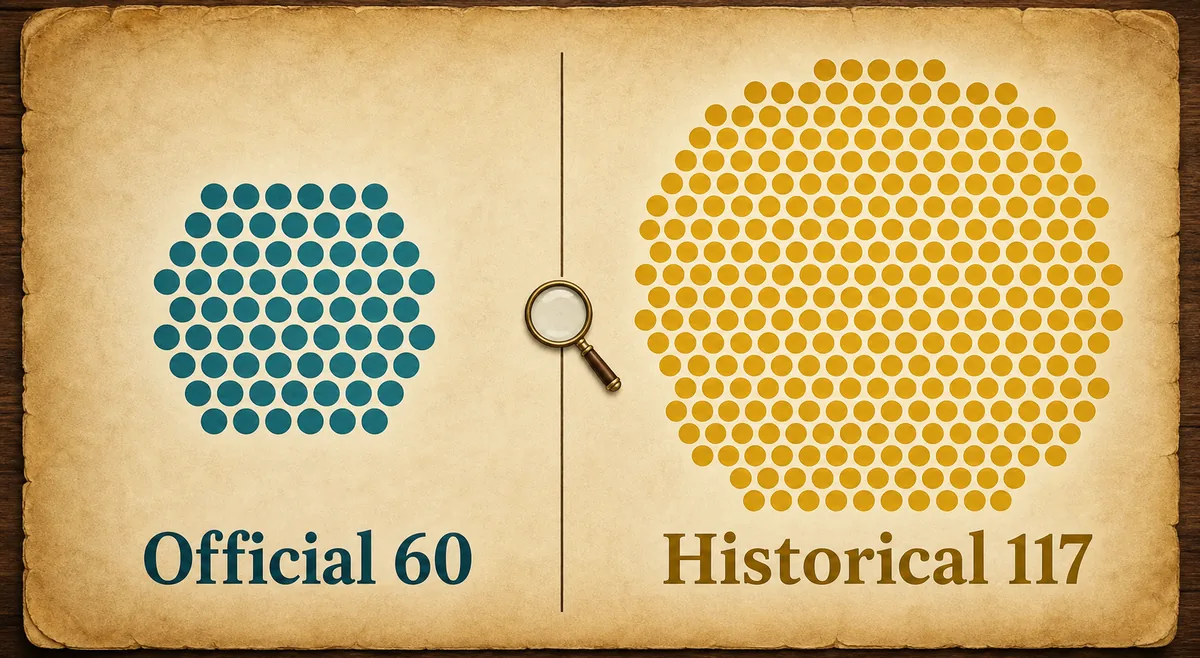
Check the current 60-champion source boundary.
Research timeline
Follow how historical and current sources are separated.