
The useful answer is narrow: Season 3 League of Legends and League Classic are related, but they are not interchangeable. Season 3 describes a 2013 era with many patch changes, old systems, and a late-season Data Dragon record. League Classic asks what Riot currently presents as part of a Classic experience. The same champion name or item name can appear in both conversations while proving different things.
This matters because the strongest current keyword cluster around Season 3 has informational intent. Searchers want to know what Season 3 was, which parts of it are relevant to League Classic, and why old lists do not automatically confirm a modern roster. The page therefore uses a comparison structure instead of another searchable table.
The practical rule is simple: use historical pages for old names, tags, prices, and context; use official current sources for launch, access, roster, balance, queues, and future additions.
Quick answer
| Season 3 League of Legends | A 2013 historical period with multiple live patches and one late-season Data Dragon 3.15.5 snapshot used here for reproducible data. |
|---|---|
| League Classic | A current Classic-era League of Legends topic that requires current official evidence for availability, roster, rules, and timing. |
| Best use of old data | Research names, item prices, broad tags, resource labels, and era context. |
| Unsafe inference | Assuming every Season 3 record is playable, balanced, available, or unchanged in League Classic. |
7 differences between Season 3 and League Classic
The safest comparison starts with what each source can actually prove. The table below is intentionally about evidence, not nostalgia.
| Time frame | Season 3 ran during 2013 and changed over that year. | League Classic is evaluated from current Riot-controlled sources and current page review dates. |
|---|---|---|
| Roster meaning | A historical dataset can show that a champion existed in the selected patch. | A current roster claim needs Riot to list or announce that champion for Classic. |
| Item meaning | An item record can show historical names, descriptions, tags, and gold fields. | Current item availability, recipes, maps, restrictions, and balance need new confirmation. |
| Patch precision | Season 3 is not one immutable patch; exact claims need a version label. | Classic claims need a current source label and checked date. |
| Search demand | Rising Season 3 searches show readers need context. | Demand does not prove launch timing, access, queues, or final rules. |
| Best page on this site | Use the historical roster, item database, and timeline. | Use the status tracker and official roster guide for current claims. |
| How to cite it | Say “in Data Dragon 3.15.5” or “during the selected historical snapshot.” | Say “Riot currently lists” only when an accessible current Riot source supports it. |
Why Season 3 needs a patch label
Players often remember Season 3 as one recognizable era: older itemization, familiar champion releases, different pacing, and a different strategic vocabulary. That memory is useful, but it compresses a full live-service year. League of Legends changed throughout 2013, so a statement such as “this item cost 2,100 gold” or “this champion existed” is incomplete until the source version is named.
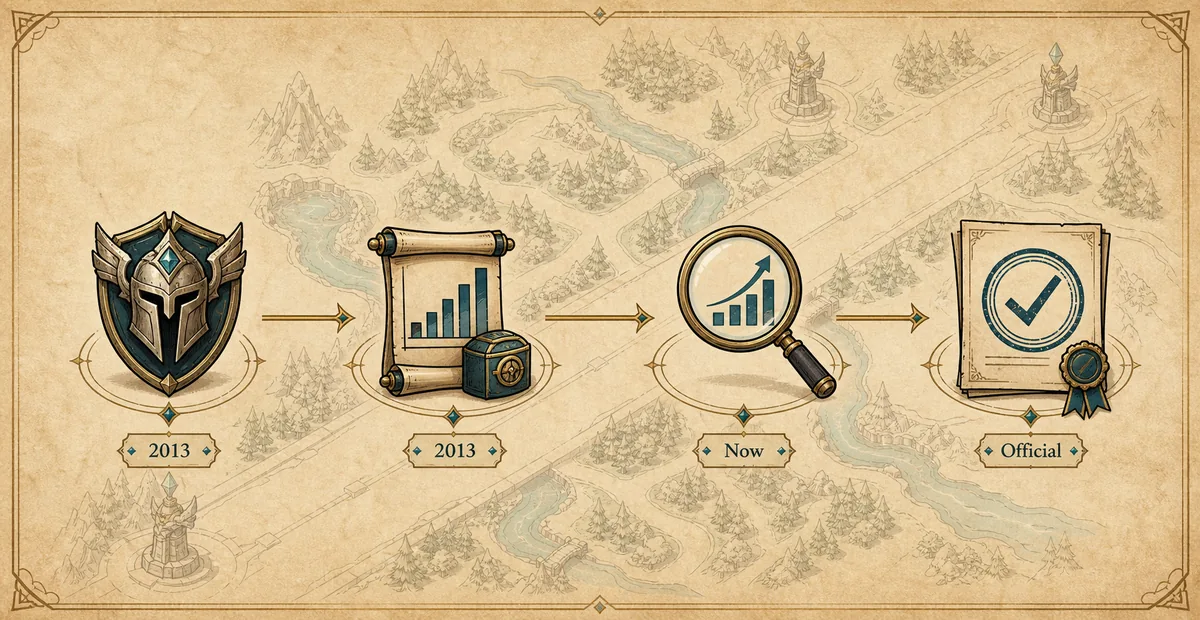
League Classic Wiki uses Riot Data Dragon 3.15.5 because it is reproducible. Another reader can open the same Riot-hosted JSON and inspect the same fields. That does not make 3.15.5 the only form of Season 3. It makes it a stable evidence layer.
What historical data can and cannot prove
Historical data is strongest when the question is about a record: champion names, old titles, broad tags, resource labels, item names, item descriptions, and gold fields. The data is weaker when the question is about live play conditions, because client behavior, map availability, recipes, item restrictions, runes, masteries, matchmaking, and balance depend on a wider rule set.
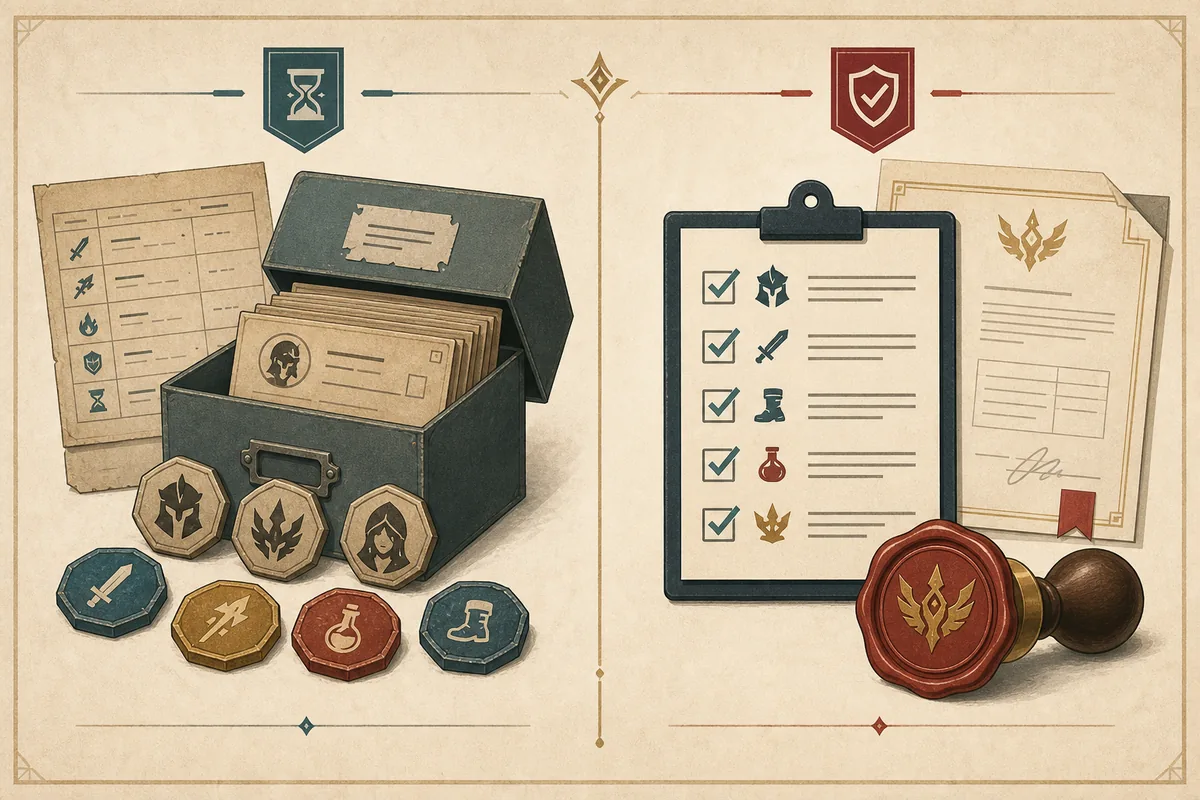
For League Classic, the same caution is even more important. A modern Classic product can preserve era identity while changing technical implementation, security, accessibility, bug fixes, regional access, or balance. Those choices are not visible in an old JSON record.
This is why the site separates current status, official roster, historical roster, items, and timeline instead of merging everything into one “Classic” answer.
How to use this site without mixing evidence
- 1. Start with the current questionIf you need availability, release timing, regions, queues, or a current roster, open the status tracker or official roster guide first.
- 2. Use Season 3 pages for historyIf you need old names, item prices, tags, or a reproducible reference, use the Data Dragon pages and keep the version label.
- 3. Compare only after labeling both sidesA fair comparison says which side is historical and which side is current. Avoid words such as confirmed, removed, or restored without a source.
- 4. Keep screenshots and memories secondaryCommunity images and videos can help identify questions, but they should not outrank Riot-controlled sources for factual current claims.
What this comparison does not prove
- It does not prove the final League Classic release date, client access model, region list, queue format, ranked rules, or progression system.
- It does not prove that a Season 3 champion, item, rune, mastery, map state, or bug appears unchanged in a current Classic product.
- It does not replace official support or account information. This site does not distribute a client, installer, APK, or download link.
- It does not turn Similarweb or Google Trends demand into a gameplay fact; keyword tools show what readers are asking, not what Riot has shipped.
FAQ: Season 3 League of Legends and League Classic
Is Season 3 League of Legends the same as League Classic?
No. Season 3 is a 2013 historical era. League Classic is a current Classic-era topic that needs current official evidence for present-day claims.
Why does this site use Data Dragon 3.15.5?
It is a Riot-hosted late Season 3 dataset that can be fetched again, so it gives the historical roster and item pages a reproducible baseline.
Can I use the Season 3 roster as the League Classic roster?
No. Use the official League Classic roster page for current champion claims and the historical roster only for old Data Dragon records.
What is the best keyword fit for this page?
The page targets the informational need behind “season 3 league of legends,” “League of Legends Season 3,” and “lol season 3” while linking readers back to League Classic pages.
Does this page include downloads or installation advice?
No. This is a research and comparison guide. It does not host clients, APKs, installers, or unofficial access instructions.
Sources and evidence used
- Riot developer article about League Classic - Current official framing source for Classic-era claims when accessible.
- Riot League Classic champions page - Current official roster source used by the separate champion guide.
- Riot Data Dragon 3.15.5 champion JSON - Historical reference for champion records.
- Riot Data Dragon 3.15.5 item JSON - Historical reference for item records and gold fields.
Use the right next page
Current status tracker
For release, access, and claim status.
Official League Classic roster
For the current 60-champion source boundary.
Historical roster
For Data Dragon 3.15.5 champion records.
Season 3 item database
For old item names, descriptions, tags, and gold fields.
Season 3 dates and timeline
For the direct start and end date answer.