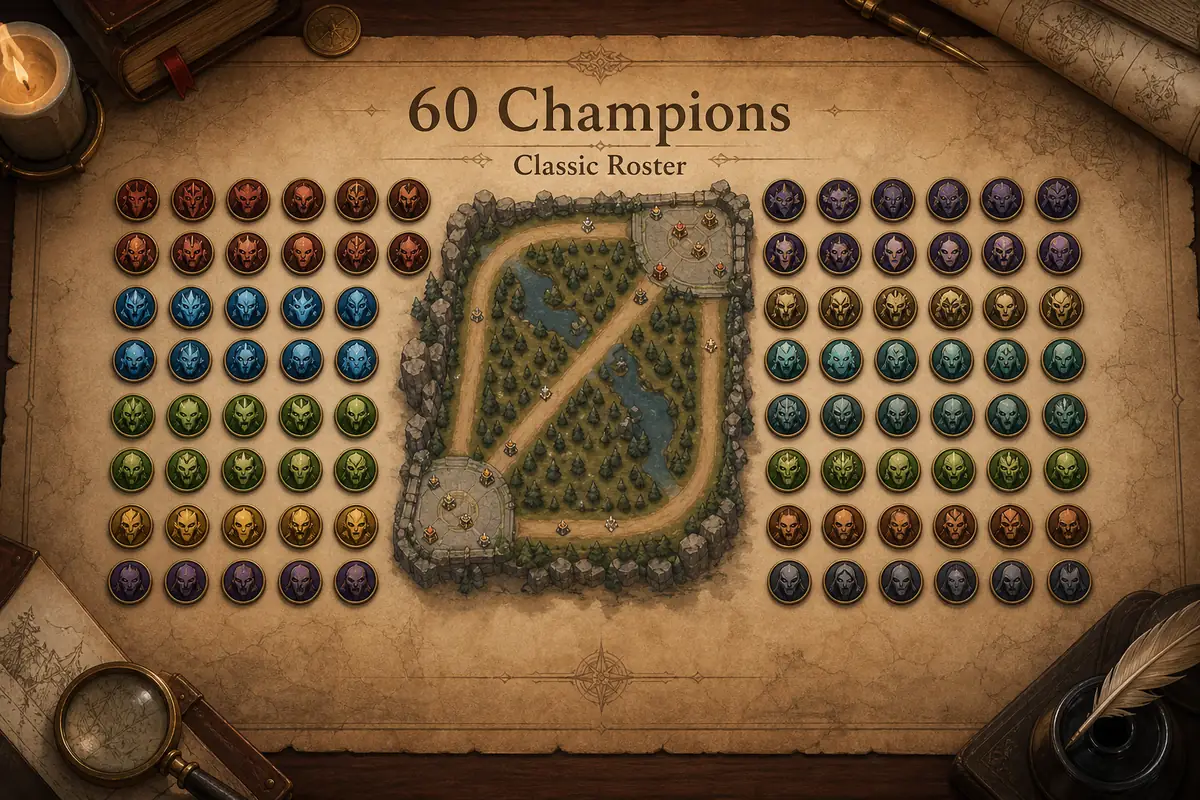
Searches for League Classic new champions usually combine two questions. One reader wants to know whether the current official list has changed. Another wants to know which older-era champions might arrive next and when. Those questions need different evidence. The Riot Classic champions page is the source for the current listed set; Riot’s developer article supplies the broad Classic-era selection rule. Neither checked page provides a complete next-wave roster with dates.
The current answer is therefore deliberately narrow. Riot lists 60 champions for the official Classic roster. Riot describes that pool as the original 40 plus 20 hand-picked champions from the 2009 to 2013 period, and the developer article says more champions from the era may be added later. “May be added later” is meaningful product direction, but it is not the same as naming a champion, patch, region, or launch hour.
This page keeps those layers visible so a future update can be made without rewriting the evidence. A new official champion page, developer announcement, patch note, or in-client notice can move a claim from pending to confirmed. A Reddit post, search snippet, old video, or a champion record in Data Dragon can be a lead for research, but it cannot silently expand the official 60.
The result is useful even when the next list is unknown. You can see what is confirmed now, understand why old Season 3 data is not a forecast, and follow a repeatable check when Riot publishes a new source. That is the practical way to read League Classic new champions without turning community expectation into a promise.
Quick answer: what is confirmed about new champions?
| Current official roster | Riot’s checked Classic champions page lists 60 names. |
|---|---|
| Selection frame | Original 40 plus 20 hand-picked champions from the 2009-2013 era. |
| Future direction | Riot says more champions from the era may be added later. |
| Named next wave | No complete, dated next-wave list appears in the checked sources. |
| Safe update rule | Change a champion to confirmed only when a current Riot-controlled source names it and gives enough scope. |
What Riot’s Classic-era wording does and does not say
The OG 40 plus 20 description explains how Riot framed the launch pool. It does not say that every champion released between 2009 and 2013 is included, nor does it publish a queue-by-queue or region-by-region rollout. A champion can be historically real and still be absent from the official 60.
The phrase “more champions from the era” is best treated as a future direction. It supports a careful statement that additional Classic-era champions are possible. It does not support a claim that a particular champion is next, that an exact date is locked, or that a community poll is an official selection list.
For an evidence-led page, the wording matters. Use “Riot says more era champions may be added” for the broad direction. Use “Riot lists this champion on the official Classic page” only for the current set. Keep “rumored,” “expected,” and “not confirmed” for claims that still depend on community discussion or an incomplete source.
Why the current 60 is not a future candidate list
The official 60 answers an inclusion question: which champions does Riot currently show for Classic? A new-champion query asks a change question: which names might be added after that snapshot? Treating the first list as the second creates a false sense of certainty. The current roster is the starting boundary for checking a later announcement, not a prediction of the order of additions.
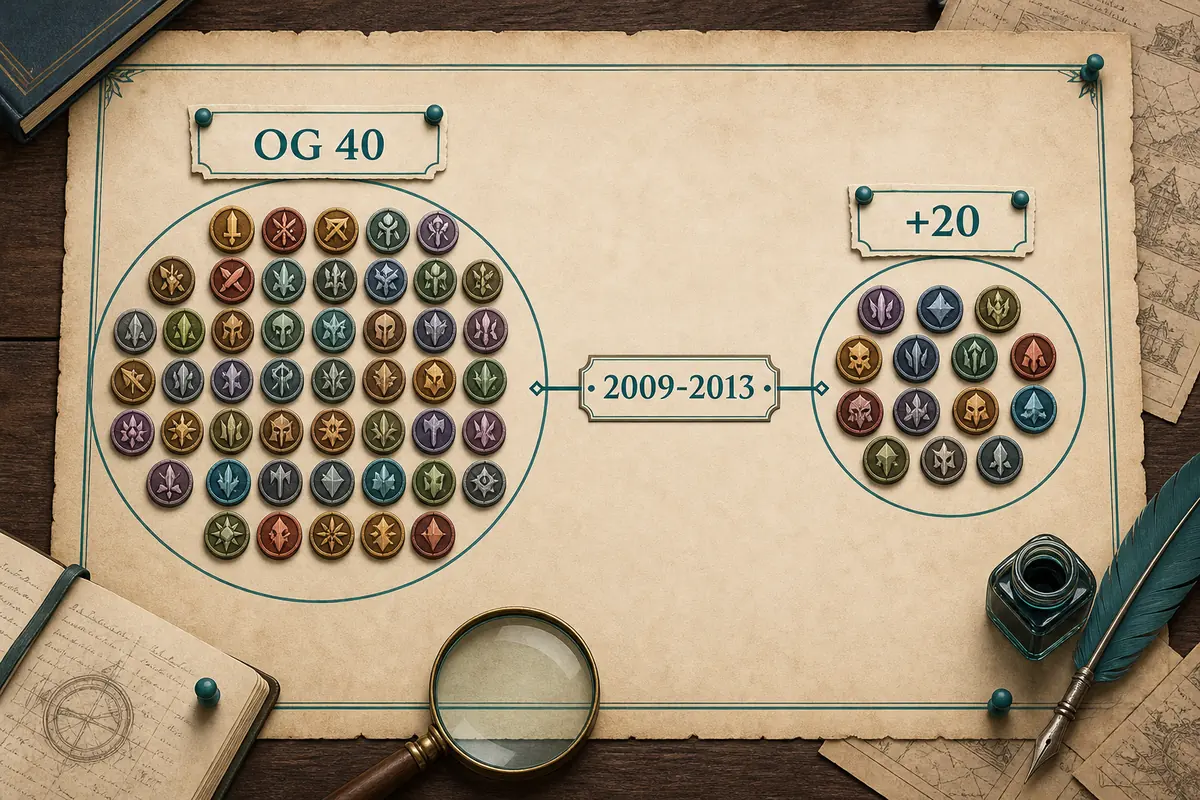
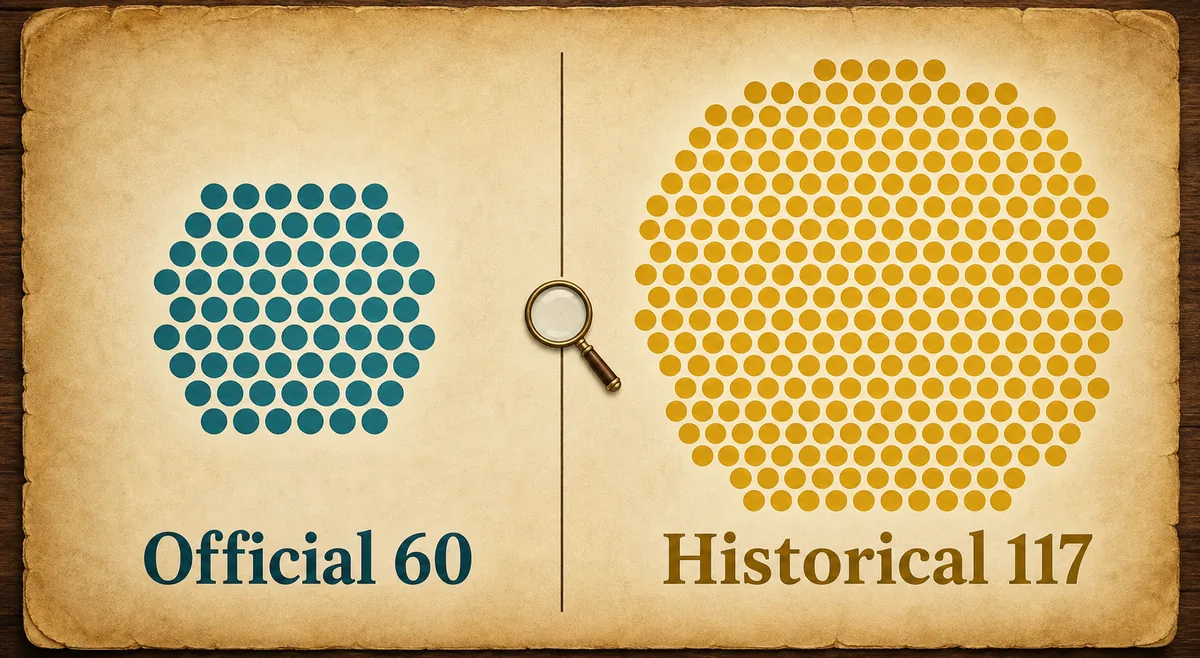
The historical Data Dragon 3.15.5 roster has a different job. It contains 117 champion records from one versioned data snapshot, which is useful for names, titles, tags, and historical comparisons. It does not establish the current Classic pool, a future selection, or a modern balance decision. Historical availability and future eligibility are separate claims.
Current roster versus future additions
When a search result says “new champions,” first identify the time reference. If the reader asks who is playable or officially listed now, send them to the current roster guide. If the reader asks who may arrive next, keep the answer in the future-evidence layer and show the source date. If the reader asks what existed in late Season 3, use the historical roster and keep Data Dragon 3.15.5 in the title or explanation.
This separation also protects the page from stale updates. A later Riot announcement could confirm one or more additions without changing the historical table. The editor would update the current status, the confirmed name, the source link, the review date, and the related roster link while leaving the historical snapshot labeled as history.
Which source can support which claim?
Use the strongest source that matches the sentence. A source can be useful while still being the wrong proof for a future champion claim.
| Evidence layer | Useful for | Cannot prove |
|---|---|---|
| Riot Classic champions page | The current official 60-name set and spelling. | The next addition, a release date, or a hidden eligibility rule. |
| Riot developer article | The OG 40 plus 20 frame and the possibility of more era champions. | A complete future list, patch number, region, or launch time. |
| Riot patch note or announcement | A dated change when the note names the champion and scope. | Details outside the note or a rumor before publication. |
| Data Dragon 3.15.5 | A reproducible historical record from a named snapshot. | Current Classic eligibility or future selection. |
| Community post or video | A lead, player context, or a question worth checking. | An official Riot confirmation without a first-party source. |
How to read a future champion timeline
A reliable timeline has four separate checkpoints. An announcement can describe intent. A patch note can specify a version or change. A client or official champion page can show that the name is actually listed. A review date records when the statement was checked. Do not collapse these checkpoints into one “coming soon” label.
For a new champion claim, record the exact URL, publication date, named champion, region or mode, and the wording used by Riot. If the source only says “we are exploring” or “more may come,” keep the item pending. If a source gives a date but no region, keep the date scoped and avoid presenting it as a global launch time.
When the next source appears, update the page in a small, traceable change: add the confirmed name, link the source, state what remains unknown, refresh the reviewed date, and update the roster or status page that points to it. This keeps the roadmap useful without turning it into a speculative calendar.
Five checks before calling a champion “new”
- 1. Define the time questionDecide whether the reader means current roster, future addition, or historical Season 3 data.
- 2. Open the official rosterUse Riot’s current page for inclusion and spelling, then keep that list separate from predictions.
- 3. Check the first-party announcementLook for a Riot developer post, patch note, support page, or client-visible page that names the champion.
- 4. Record scope and dateCapture the region, mode, patch, publication date, and whether the wording is confirmed or conditional.
- 5. Link the right follow-upUse the roster for current names, patch notes for version changes, status for pending claims, and history pages for Data Dragon records.
Claims this page will not manufacture
- A leaked or community-predicted next champion presented as a Riot selection.
- An exact release day inferred from a video title, countdown, or search snippet.
- A future list copied from every champion in Data Dragon 3.15.5.
- A claim that absence from the current 60 means a champion was cut or banned.
- A “roadmap” label that hides the source date, region, mode, or uncertainty.
FAQ: League Classic new champions
Are new champions confirmed for League Classic?
Riot says more champions from the Classic era may be added later, but the checked sources do not provide a complete dated next-wave list. Treat individual names as pending until a current Riot source names them.
Which new champions are coming to League Classic?
No complete next list is confirmed in the sources checked for this guide. The official 60-name roster is the current boundary; historical records and community guesses should not be presented as future additions.
When are new champions coming to League Classic?
The checked Riot pages do not publish a global date for a next wave. Recheck a dated Riot announcement, patch note, or official champion page before writing a release time.
Is there a League Classic roadmap?
Riot provides a broad direction that more champions from the era may be added. That is not a full public roadmap with names, patches, regions, and dates. Keep roadmap wording scoped to the source.
Does the historical Season 3 roster show the next Classic champions?
No. Data Dragon 3.15.5 is a reproducible historical snapshot of 117 records. It can support history research, but it does not prove current eligibility or future selection.
Where should I check for a new champion update?
Start with Riot’s Classic champions page and developer news, then check dated patch notes or a current in-client notice. Use this page to record what the source confirms and what remains pending.
Sources and evidence limits
- Riot League Classic champions page - Current official source for the 60-name roster boundary.
- Riot developer article about League Classic - Source for the OG 40 plus 20 framing and the possibility of more era champions.
- Riot League Classic landing page - Product entry point to re-check when Riot changes the public scope.
- Riot Data Dragon 3.15.5 champion JSON - Historical reference only; it is not a future-addition list.
Open the page that matches your question
Official League Classic roster
Check the current 60 names without turning them into a prediction.
League Classic patch notes
Verify a dated version change or keep a patch claim pending.
Current status tracker
Follow current, historical, and pending evidence labels.
Season 3 historical guide
Keep the older data boundary visible when researching the era.